
Photo by Surinda Singh
Recently I took some well-paid work abroad, which has been good for me and my family. Then the chance came to go back for more, and I turned it down. The provider in me worries I might regret it. But there are other voices in me that know it was the right decision.
Many of us men hold a fantasy that once we find our purpose and it pays, the tension will be over. I don’t think it ever is. Even then, the provider in us keeps asking whether it’s enough.
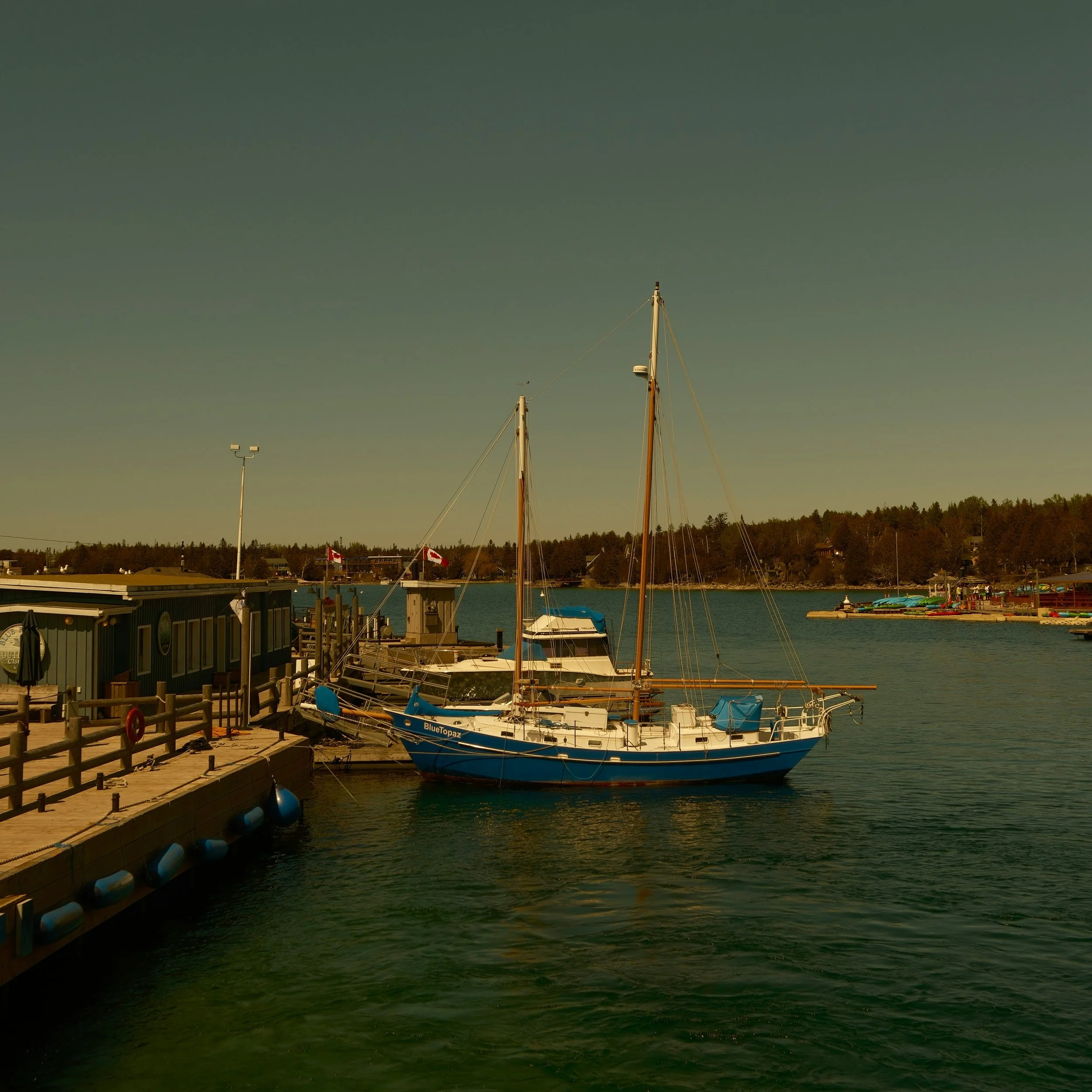
Becoming a father has shown me, first hand, the reason men most often give for staying in the harbour. Of the thirty I’ve gathered, I call this one “not just my boat”.
There are people who count on us. Bills to pay. Lives that depend on us staying in the harbour. Leaving to follow the call of our own life can feel like putting the people we love at risk.
It’s an honourable reason to stay. And being the provider feels good. It gives us its own sense of purpose.
I know I’m more fortunate than many to be able to turn down work, and everyone’s circumstances are different. But it does make me wonder what else sits underneath being the provider. If this is what holds so many of us back, it deserves a closer look.
So what do the people we love actually need from us?
At what point does another bonus, a bigger house, one more year in the job, turn from a need into a want? Jonathan Gustin puts it well: “We never get enough of what we don’t need.”
A friend told me recently about her father. He was a solid, consistent provider. He worked long hours, travelled a lot, and was often gone twelve hours a day. He was unavailable to her in every sense, emotionally and physically.
It didn’t feel frantic to him. It felt like duty. And, she believes, it was familiar to his nervous system. He’d grown up working constantly on a farm with no emotional connection, and he was repeating what he knew.
Sometimes being the provider is simply the most familiar place to be. And sometimes it’s also a place to hide. We say it’s for them, and yet some of it is for us. We want recognition from our peers. We like the ease of the office over the chaos of the family home. It feels good to finally have the approval we’ve wanted since we were boys. And that is all very human, of course. The trouble starts when we don’t see it and own it.
When we keep chasing security beyond what’s needed, the people who pay for it are often the very ones we’re doing it for. They get the provider, and they miss the man. We lay ourselves on the altar of our own sacrifice, and they end up on it with us. And when we come home dead behind the eyes, how secure do the people around us really feel?
Because without our love, presence, wisdom and example, the financial security we give the people we love is hollow.
So perhaps there are two conversations to have. One with the part of us that keeps us on a path we know isn’t ours: what are you protecting me from? Failure? Judgement? The guilt of not giving more?
And one with the people we do it all for, where we tell them those fears.
That second conversation is the one most of us avoid. We tell ourselves we’re protecting our families from our doubts, when often we’re protecting ourselves from being seen.
Held privately, our fear can run the show for years. When we share it with someone who loves us, it becomes manageable. The people closest to us tend to already know. They can feel how distant we have become. What they want is us.
So the security we are working so hard to provide is standing in for something else: the connection we don’t know how to ask for.
In having conversations like these, you are already leaving the harbour. And heading further out to sea doesn’t mean blowing up your life. When I work with men, I advise them not to do anything big for at least a year. Stay in the job. Keep the business going. A change of course of a few degrees is enough. Over time, it takes you somewhere entirely new. And in many of them I see the relief straight away. They breathe out. Their shoulders drop. As if they’d been waiting for someone to give them permission to go easy on themselves.
Over coffee this week, a friend turned all this on its head. What about men like us, he asked, who left the secure path years ago? Might we be hiding too? He’s chosen a creative path, and isn’t sure he could rise to being a provider.
I recognised myself. When I left employment to go my own way, I left one harbour. But being the man with the interesting alternative career has become a familiar place of its own. Meeting the needs of a young family has asked me something uncomfortable: have I been hiding behind the image of free spirit?
Perhaps the freedom we guard so closely protects us too: from being ordinary, from being relied on, and from the shame of not being able to provide.
For some of us, becoming the provider is what takes us out of the harbour.
Whether it’s the role of the provider or the image of the free spirit, the most familiar place is the one worth questioning. What feels like security is often just what we know.
Those honest conversations are where it starts, with the people we love and with the different parts of ourselves.
No, it isn’t just our boat. But it is ours to sail.